
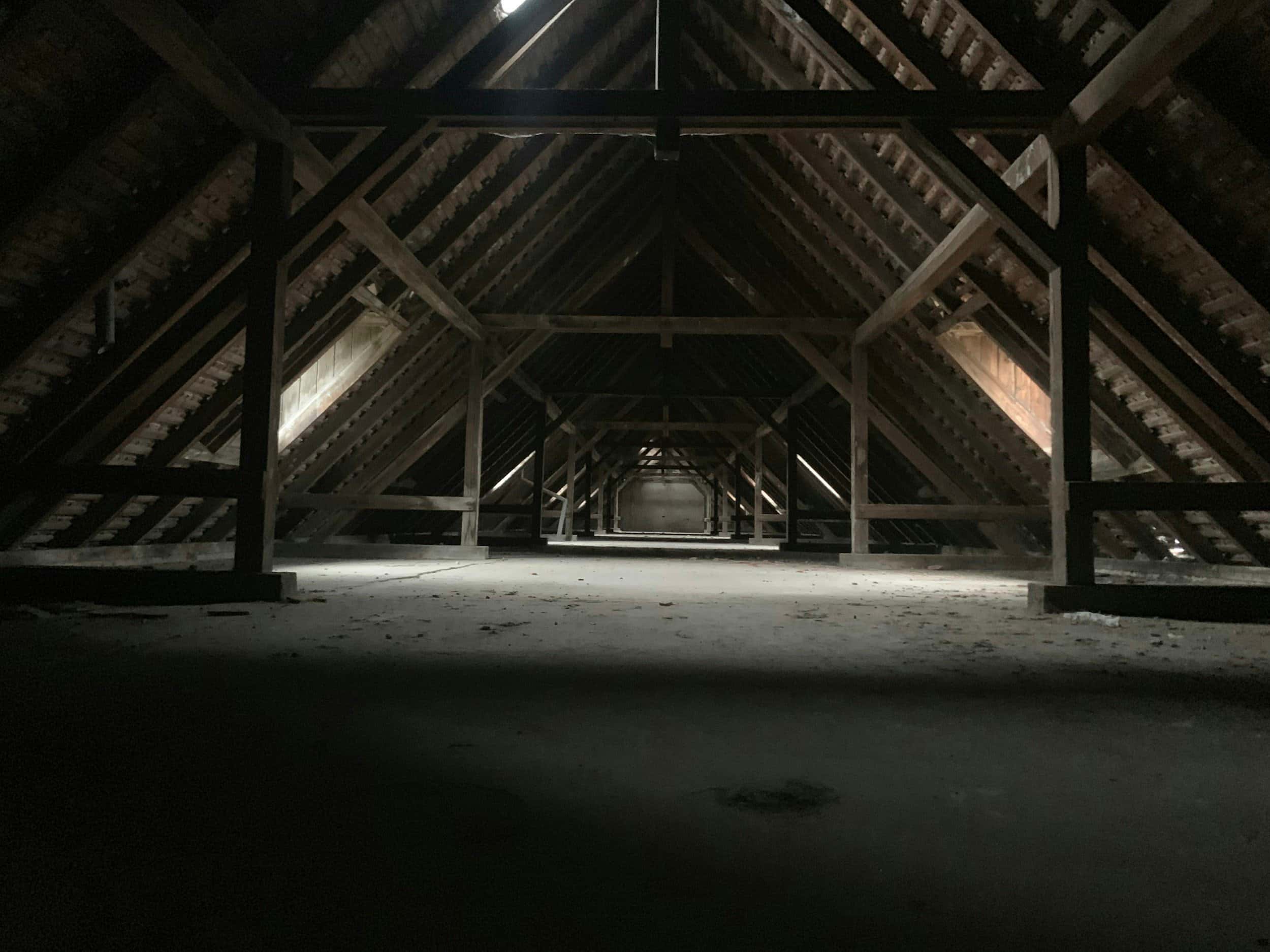
Attic Mold Remediation in Michigan
Attic mold is extremely common in Michigan's climate — and almost always a ventilation problem before it is a cleaning problem.
Attic Mold In Michigan
Why attics grow mold here
Attic Mold in Michigan is extremely common in our climate. Most people realize the importance of insulating an attic, but few realize that the ventilation of the attic is as important. If the attic has in-adequate ventilation, the warm air of the home will rise into the attic and be unable to exit this area.
The four causes
Attic mold is generally directly attributable to 4 basic causes:
- Lack of adequate ventilation or improper ventilation
- Existing or past roof or flashing leaks.
- Improperly exhausted bathroom fans and or dryer vents
- Attic Bypass or Attic Air Leaks
This is why, in cold weather, moisture condenses on cold surfaces (like attic roof sheathing/decking). This moisture provides a perfect situation where mold grows. Our mission is to aid present or prospective home owners by not only conducting attic mold inspections but also inform the home owners of potential causes and remediation methods.
TFNVA
Total Net Free Ventilating Area
The need for proper attic ventilation cannot be overstated enough. Bad attic ventilation can cause moisture buildup on the roof sheathing and lead to the formation of attic mold. Total Net Free Ventilating Area (TFNVA) refers to the fact that there should be proper ventilation for every 150 square feet of attic space.
The number is a recommendation by the Federal Housing Administration, which recommends between a 1/150 to a 1/300 ratio depending on the age of the home. If you have an older home then a 1/300 ratio is suitable, since the home is probably less energy efficient and thus less airtight. The building codes of new homes over the past 20 years are much stricter, making them more airtight and therefore requiring additional ventilation.
M.M.S. recommends a 1/150 ratio for attics with evidence of mold.
M.M.S. inspects attic intake vents for blockage, calculates recommended venting requirements and checks for roof leaks and improperly vented fans.
FAQs
Attic Mold Remediation FAQs
Most attic mold comes from a lack of proper ventilation, roof leaks, improper exhaust venting or attic air leaks. In a Michigan winter, warm, moist air leaking up from the house condenses on the cold roof sheathing. More in why Michigan attics get moldy in winter.
Attic mold is usually separated from the living space, but it signals a moisture problem that can damage roof sheathing over time, and mold can affect people who are sensitive to it. If you have health concerns, talk to your doctor; for the attic itself, the priority is fixing the ventilation or leak behind it.
It depends on the size of the attic, how much of the sheathing is affected, and what is needed to correct the cause — ventilation, exhaust fan venting or air leaks. We provide free estimates. Get a free quote.
Often not when it comes from long-term ventilation or condensation problems, which many policies treat as maintenance issues; mold from a sudden, covered event may be treated differently. Check your policy with your insurer.
Keep reading
Related services
Seeing dark staining on your roof sheathing?
We inspect the intake vents, calculate the venting your attic actually needs, and check for roof leaks and improperly vented fans.